

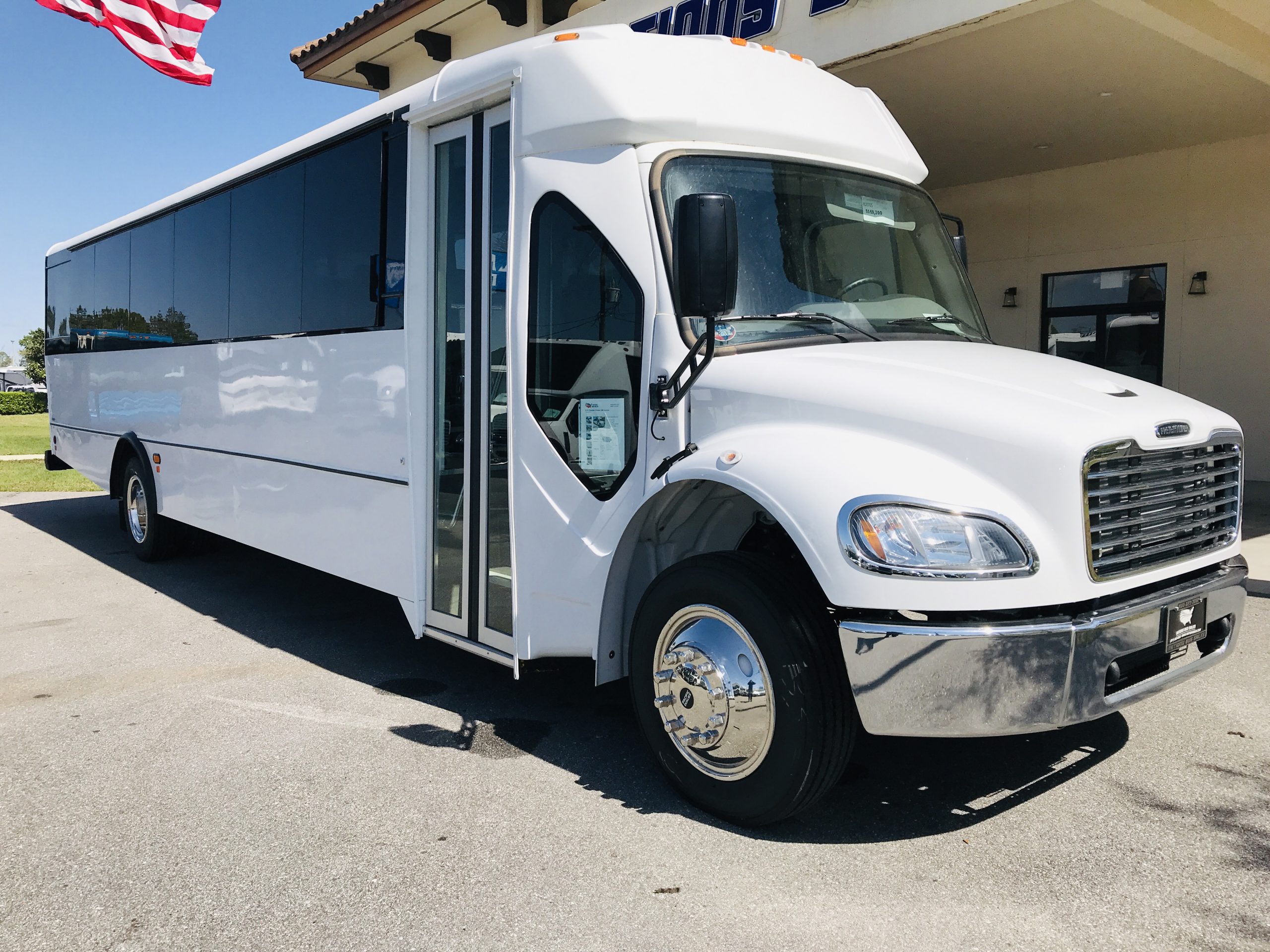
Limousine Party Bus Showdown: Gasoline vs. CNG Fuel
When it comes to party buses, Ford models are among the most popular for group events, celebrations, and luxury transportation. But with fuel choices evolving, buyers often face a key decision: stick with traditional gasoline or opt for a compressed natural gas (CNG) alternative? Here’s a detailed comparison to help you choose the best fit for your needs.
Performance and Power
-
Gasoline: Ford party buses powered by gasoline engines are known for robust performance, quick acceleration, and widespread serviceability. Gasoline engines have higher energy density, which translates to strong towing capacity and consistent power output, even in larger bus conversions.
-
CNG: CNG-powered Ford party buses offer slightly less horsepower and torque compared to their gasoline counterparts. While recent advancements have closed the gap, CNG engines may feel less responsive, particularly when fully loaded or on steep inclines.
Fuel Availability and Infrastructure
-
Gasoline: Gasoline is available almost everywhere, making refueling easy and convenient, no matter where your travels take you.
-
CNG: CNG refueling stations are less common, especially outside major urban areas. Planning longer trips may require careful route mapping to ensure access to fuel.
Where to Find Party Buses for Sale
We currently have four Ford Party Buses for sale. One with Gasoline, and another with CNG. Check out our inventory page to view pricing.
Environmental Impact
-
Gasoline: Gasoline engines emit higher levels of greenhouse gases and pollutants. While newer engines have improved emissions systems, gasoline remains a less eco-friendly option.
-
CNG: CNG is a cleaner-burning fuel, producing significantly less carbon dioxide, nitrogen oxides, and particulate matter. It’s a strong choice for those looking to reduce their environmental footprint.
Operating Costs
-
Gasoline: Gasoline prices fluctuate, and fuel efficiency may be lower compared to CNG. Over time, this can mean higher operating expenses, especially for high-mileage party bus businesses.
-
CNG: CNG is generally less expensive per equivalent gallon, leading to lower fuel costs. Additionally, some regions offer tax incentives for alternative fuel vehicles, further reducing expenses.
Maintenance and Longevity
-
Gasoline: Maintenance is straightforward, with parts and service easily available. Most mechanics are familiar with gasoline engines, and repairs tend to be quicker and less costly.
-
CNG: CNG engines can require specialized maintenance, and not all shops are equipped to service them. However, CNG engines often experience less engine wear due to cleaner combustion, potentially extending engine life.
Purchase Price and Conversion
-
Gasoline: Gasoline-powered party buses are generally less expensive upfront. No additional conversion is needed, and resale values are stable.
-
CNG: CNG buses may cost more initially, especially if conversion from gasoline is required. However, lower operating costs can offset this investment over time.
The Verdict
Choosing between a gasoline and CNG Ford party bus depends on your priorities:
- If you value convenience, power, and a lower upfront cost, gasoline is the traditional, reliable choice.
- If you’re seeking reduced emissions, long-term savings, and don’t mind planning for fuel stops, CNG is a modern, eco-friendly alternative.
Evaluate your routes, budget, and environmental goals to pick the party bus that best fits your needs and vision for the ultimate group ride experience.